
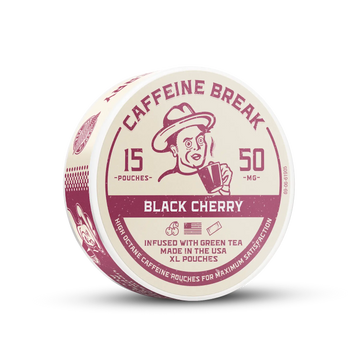
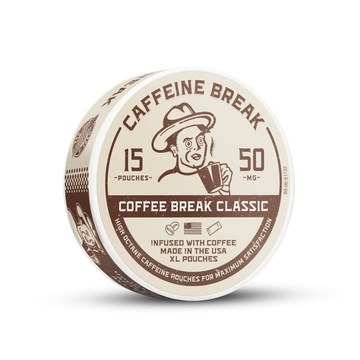
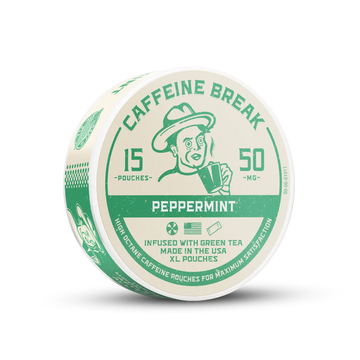
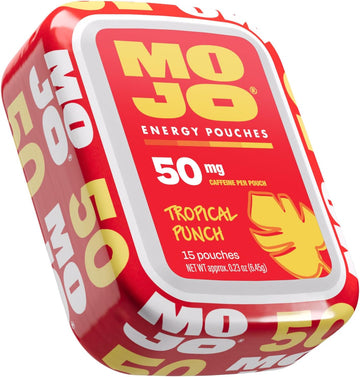
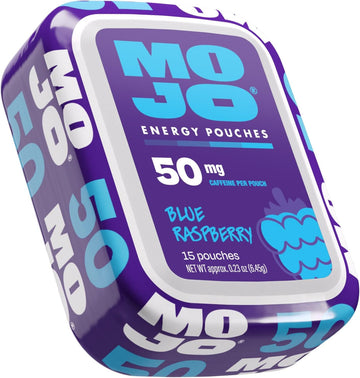
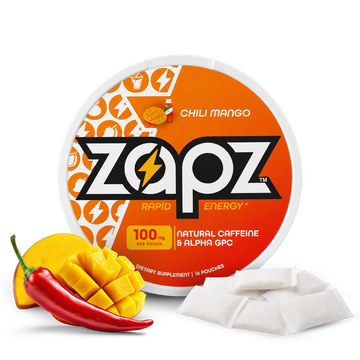
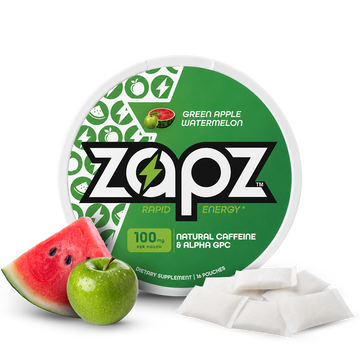
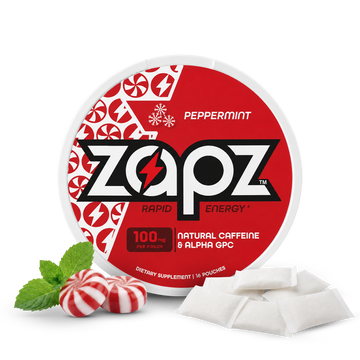
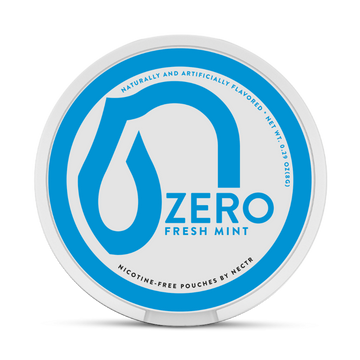
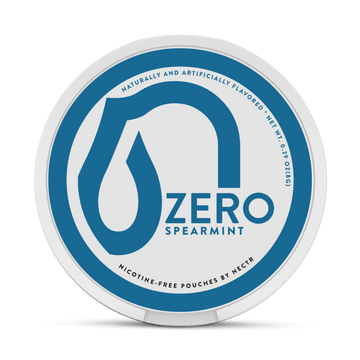
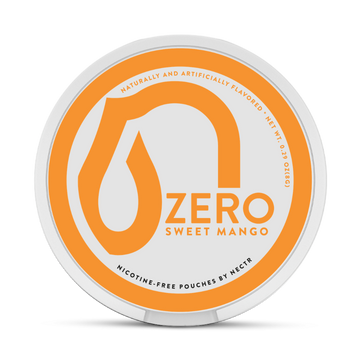


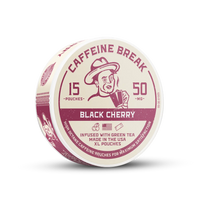
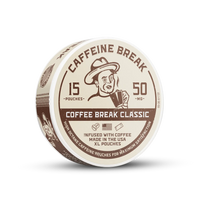


Caffeine pouches are an alternative to coffee, energy drinks, and pre-workout for adults who want energy on their own schedule. No cup, no can, no waiting on a brew. You place a small pouch under your upper lip, the caffeine absorbs, and you are back to what you were doing. This guide covers what caffeine pouches are, how they work, how they compare to the format you use now, how much caffeine is actually in one, how to choose a strength and flavor, whether they are safe, and who tends to get the most out of them.
PouchesDirect carries caffeine pouches from multiple brands, each certified by its brand as 0mg nicotine, and we independently lab test what we sell, so we know these products well and can help you sort through them. If you have landed here confused about the difference between a caffeine pouch and a nicotine pouch, that confusion is common, and it is the first thing this guide clears up.
What Are Caffeine Pouches?
A caffeine pouch is a small, tea-bag-style pouch filled with caffeine, flavoring, and a plant-fiber base, designed to sit between your gum and upper lip. A caffeine pouch should contain no tobacco and no nicotine. The format borrowed its physical design from nicotine pouches, which is why the two categories look alike on a shelf, but the ingredients are entirely different.
Caffeine content varies by brand and product, typically landing between 20mg and 100mg or more per pouch. For context, the FDA puts a 12-ounce cup of green tea at about 37mg, black tea at about 71mg, and regular brewed coffee at 113mg to 247mg, so a single pouch usually carries less caffeine than a brewed coffee, and lower-strength pouches sit closer to a cup of tea. The FDA also cites 400mg a day, about two to three 12-ounce cups of coffee, as an amount not generally associated with negative effects for most adults (Source: FDA, content current as of August 28, 2024). The exact amount is always printed on the product label, and you should check it before choosing a strength, the same way you would check the caffeine content on a can or a bag of coffee.
How Caffeine Pouches Work

The pouch sits between your gum and upper lip, and moisture in your mouth activates it. Caffeine, along with the flavoring, releases gradually from the plant-fiber base and is absorbed through the tissue lining your mouth, known as the oral mucosa, rather than being swallowed. You do not swallow the pouch itself, and you do not need to spit while using one. When you are done, take it out and throw it away.
That absorption route is the main mechanical difference from a drink. When you swallow coffee, an energy drink, or a caffeine tablet, the caffeine has to pass through your digestive system before it reaches your bloodstream, a route that takes time and can be affected by what else is in your stomach. Oral absorption through the mucosa skips that step, which is why many users report a faster onset with a pouch than with a drink. Exact timing still varies by individual, by how long you keep the pouch in, and by whether you have eaten recently.
Two things determine how strong a pouch feels and how long the effect lasts: the milligram amount of caffeine in that specific product, and how long you keep it in. Some pouches also pair caffeine with other listed active ingredients, so check the full ingredient panel, not just the milligram figure. Most people keep a pouch in for 20 to 40 minutes, though this varies by brand and by how long you want the effect to build. Body weight and existing caffeine tolerance also affect how a given milligram amount feels to you, the same variability you would see with a cup of coffee.
The plant-fiber base and flavoring exist for texture and taste, not to change how the caffeine is absorbed. Absorption works the same regardless of flavor, so pick a flavor you will actually want to use again rather than optimizing for anything else.
These statements have not been evaluated by the FDA. This product is not intended to diagnose, treat, cure, or prevent any disease.
Absorption rate and milligram content are two different things, and they get conflated constantly. Our breakdown of how caffeine pouches work traces what happens between placing a pouch and feeling it, including why the format behaves differently from a caffeine tablet or powder that still has to be swallowed.
Caffeine Pouches vs Nicotine Pouches: Why 0mg Nicotine Matters
This is the single most important distinction on this page. Nicotine pouches and caffeine pouches share the same physical format and the same delivery mechanism, oral absorption through a pouch placed between the gum and upper lip, but they are not the same product. Nicotine pouches contain nicotine. PouchesDirect only sells products certified by the brand as containing 0mg nicotine and no tobacco or banned substances. We take it a step further and independently lab test every product we sell for contaminants like heavy metals and microbials. That is the Pouches Direct Standard. If your goal is caffeine without nicotine, or you are looking for a nicotine-free way to get an energy lift, a caffeine pouch is built for exactly that.
Because the two categories are so easy to confuse on a shelf, always confirm nicotine content on the label of anything you buy, from PouchesDirect or anywhere else. If you want that settled before you buy rather than squinting at cans in a store aisle, every product in our nicotine-free pouch collection carries a confirmed 0mg nicotine label.
How Much Caffeine Is in a Pouch?
Strength varies by brand and product line, and many brands Pouches Direct carries offer a range so you can match the pouch to the moment. As a general guide:
Lower-strength pouches, often in the 20mg to 40mg range (a 12-ounce cup of green tea is about 37mg), suit people who are caffeine-sensitive or who want a light lift without a strong stimulant hit. Mid-strength pouches, commonly 40mg to 70mg, land closer to a 12-ounce cup of black tea (about 71mg) than to brewed coffee at 113mg to 247mg. Higher-strength pouches, 70mg to 100mg or more (brewed coffee runs 113mg to 247mg per 12 ounces), are built for people who already have an established caffeine tolerance, whether from multiple cups of coffee a day or regular energy drink use.
Always check the label on the specific product you buy. Caffeine content is not standardized across brands, and PouchesDirect lists the exact milligram amount on every product page. But can you trust labels? We do not ask you to. For brands willing to disclose all ingredients and active ingredient dosages on their labels, PouchesDirect independently lab tests the label claims and screens for pesticides, so you know how much caffeine and other key ingredients are in the products. Look for products with the PD Verified badge.
If you are sensitive to caffeine or are also drinking coffee, tea, or energy drinks the same day, add up your total intake rather than treating the pouch as separate from everything else you consume. A reasonable way to think about it: if you already track how many cups of coffee you drink in a day for health reasons, track pouches the same way, in milligrams, not in units. Caffeine-free and nootropic pouches are also options to rotate in on days you want less caffeine; check the ingredient panel for what each one lists.
These statements have not been evaluated by the FDA. This product is not intended to diagnose, treat, cure, or prevent any disease.
Choosing the Right Strength and Flavor
Start with your current caffeine habits. If you drink one cup of coffee a day, a mid-strength pouch is a reasonable starting point. If you already drink multiple cups or a full energy drink, you likely tolerate higher-strength pouches without issue, but it is still worth starting at the low end of what a brand offers and adjusting from there rather than assuming your tolerance transfers exactly.
Time of day matters too. A higher-strength pouch late in the afternoon can affect sleep the same way a late coffee would, so people who are sensitive to that generally reserve stronger pouches for mornings and midday, and switch to lower-strength options later on. Some people also switch it up by rotating in caffeine-free pouches, or nootropic pouches with their ingredients listed on the label, in place of another caffeinated one.
Flavor is a bigger factor in daily use than many people expect, since a product you will not want to use again is not a useful product no matter how well it works. Mint and citrus profiles are typical go-tos because they are familiar and easy to use repeatedly. If taste is the deciding factor, you can browse caffeine pouches by flavor. If you already know the number you want, filter caffeine pouches by milligram strength instead and work backward to flavor from there.
Caffeine Pouches vs Coffee, Energy Drinks, and Pre-Workout
Every one of these delivers the same core stimulant, caffeine. What changes is the format, the extras that come along with it, and how much control you have over the exact dose.
Coffee requires preparation, a cup, and, for drip or pour-over, a wait. Its caffeine content also varies more than people assume, since brew method, bean, and serving size all move the number around, which makes it harder to know your exact intake compared to a pouch with a printed milligram amount.
Energy drinks typically carry sugar, carbonation, and a larger liquid volume than a pouch. For some people, the sugar load leads to a sharper crash once the caffeine wears off, and the larger volume means more bathroom stops over the course of a day. A caffeine pouch delivers caffeine on its own, with sugar alternatives, in a format that fits in a pocket.
Pre-workout powders usually combine caffeine with other ingredients, require mixing with water, and need a shaker bottle you have to carry and wash. A caffeine pouch skips the mixing step entirely and lets you control your caffeine dose independently of whatever else is in a pre-workout blend.
None of this makes caffeine pouches a health product or a replacement for medical advice about your diet or stimulant intake. It makes the pouch a different format for the same stimulant, with more precise control over dose and less to carry around.
Are Caffeine Pouches Safe?
A caffeine pouch delivers caffeine, the same stimulant found in coffee, tea, and soda, through a different absorption route. The general considerations that apply to any caffeine source apply here too: total daily intake, individual sensitivity, and any conditions or medications that interact with caffeine. It is also important to consider what else, beyond the key active ingredients, is in the products you use. That is why we developed the Pouches Direct Standard and the PD Verified badge program, which give you actual lab tests so you can see for yourself.
Because oral absorption tends to deliver caffeine faster than a drink, it is worth being more deliberate about strength and timing than you might be with coffee. Choose a lower-strength pouch, especially on an empty stomach, since caffeine can hit harder than expected without food to slow absorption.
People who are pregnant or breastfeeding, people managing a heart condition, people who are highly sensitive to stimulants, and people taking medications that interact with caffeine should talk to a doctor before adding a caffeine pouch, or any new caffeine source, to their routine. If you already limit your coffee or energy drink intake for a specific health reason, apply that same limit to caffeine pouches, using the milligram amount on the label as your reference.
We are not going to claim caffeine pouches produce a specific clinical outcome, because we have not run those long-term clinical studies and neither has any other store selling you a pouch. What we can tell you is what is in the product (and what is not, based on our independent lab tests), how much caffeine it should contain, and how the format works. If you are managing a diagnosed medical condition, talk to your doctor, not a product page.
These statements have not been evaluated by the FDA. This product is not intended to diagnose, treat, cure, or prevent any disease.
The question of whether caffeine pouches are safe deserves more room than one section, and the full answer works through who should be cautious and how to count a pouch against everything else you consume in a day.
Who Uses Caffeine Pouches
Caffeine pouches work well for adults who want energy without carrying a cup, but a few groups get particular value from the format, each with different priorities around timing and strength.
Athletes and gym-goers use pouches pre-workout because there is no shaker bottle and no waiting on a mix, and the format lets them control caffeine dose independently of whatever else is in a pre-workout blend. Most place a pouch 15 to 20 minutes before training and choose strength based on session length and existing tolerance. The mistake worth avoiding is stacking a pouch on top of a pre-workout that already contains caffeine, and caffeine pouch timing for athletes works through that arithmetic.
Gamers reach for pouches during long sessions where a sugar-heavy energy drink leads to a crash mid-match. What holds up across a five-hour session is spacing lower-strength pouches through the window rather than front-loading one high-strength pouch in the first hour, which is the pacing approach laid out in caffeine pouches for long gaming sessions.
Professionals and adult students use pouches in meetings, libraries, and study sessions where a coffee cup is not practical. Timing a pouch 15 to 20 minutes before a meeting or study block gives a steadier lift than reaching for one the moment you sit down, and using caffeine pouches for studying and work covers strength selection for the afternoon slump specifically.
Truck drivers and shift workers use pouches on long hauls and overnight shifts, where bathroom stops from large drinks cost real time. Pacing strength across a shift rather than reaching for the strongest option at hour one is the whole discipline on a long route, and caffeine pouches for truck drivers covers that alongside the carrier and DOT policy questions drivers tend to run into.
Where to Buy Caffeine Pouches
PouchesDirect carries caffeine pouches from top brands that have agreed to the Pouches Direct Standard lab testing program, such as Nectr, TeaZa, WIP, Mojo, ALP Caffeine Break, and MCRO, with more to come, so you are not locked into one flavor lineup or one strength range. Each brand publishes its own milligram content per pouch, and every product page lists that figure alongside brand-certified 0mg nicotine. If a brand discloses all ingredients and dosages, has agreed to our lab testing to verify its label claims, and is produced in an FDA-registered, GMP-compliant facility, you will see a PD Verified badge on its product pages once it passes those tests. If you would rather see everything before narrowing anything down, all caffeine pouches is the full catalog in one place, and you can filter it for PD Verified products. If you already have a brand in mind, shop caffeine pouches by brand narrows it in a single step.
Local availability is a different story. Gas stations, convenience stores, and vape shops are the most common places to find caffeine pouches in person, usually with one brand and a couple of strengths on the rack. Finding caffeine pouches near you covers what to ask before you drive over, and when a store run beats waiting on shipping.
If you have not landed on a strength yet, caffeine pouch bundles and multi-packs let you compare several, before committing to a full can of one. You can bundle across brands and save up to 32%, plus get a free can on every order of 10 or more cans when you log in (offer as of October 2026).
Every pouch on PouchesDirect is certified by its brand as 0mg nicotine and held to the Pouches Direct Standard. Ready in seconds, and it fits in a pocket.
Frequently Asked Questions
Do caffeine pouches have nicotine in them?
No. Caffeine pouches sold on PouchesDirect are certified by their brands as containing 0mg nicotine and no tobacco. They use the same pouch format as nicotine products, which is a common source of confusion, but the ingredients are different. Always check the label to confirm nicotine content before buying any pouch product from any retailer.
How much caffeine is in one pouch?
It depends on the brand and product, typically 20mg to 100mg or more per pouch. For comparison, the FDA puts a 12-ounce cup of regular brewed coffee at 113mg to 247mg, so a single pouch usually carries less caffeine than a typical cup of coffee. The exact amount is printed on every product label and listed on the PouchesDirect product page. Check the specific product you are considering rather than assuming a standard amount across brands.
Can I use caffeine pouches instead of coffee?
Many people use caffeine pouches as a substitute for a cup of coffee, since both deliver caffeine, a stimulant. The pouch skips the brewing step and the cup. If you are managing your total caffeine intake for health reasons, add the pouch’s stated milligram amount to whatever else you drink that day rather than treating it as separate.
How long does a caffeine pouch last?
Most people keep a pouch in for 20 to 40 minutes, similar to how long you might sit with a cup of coffee, though this varies by brand and personal preference. Check the product packaging for the manufacturer’s guidance on use.
Are caffeine pouches safe to use every day?
Caffeine pouches deliver the same stimulant found in coffee, tea, and soda, and daily use carries the same general considerations as any other daily caffeine source. If you have a medical condition, take medication, or are pregnant or breastfeeding, talk to your doctor before adding a new caffeine source to your routine.
These statements have not been evaluated by the FDA. This product is not intended to diagnose, treat, cure, or prevent any disease.


