
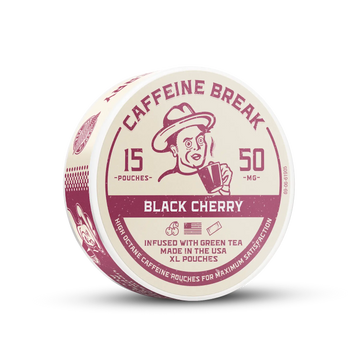
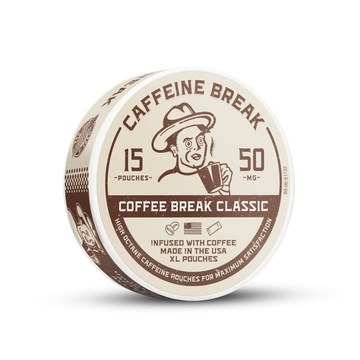
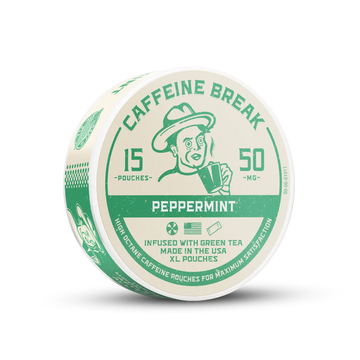
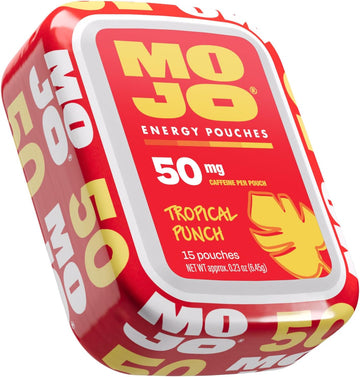
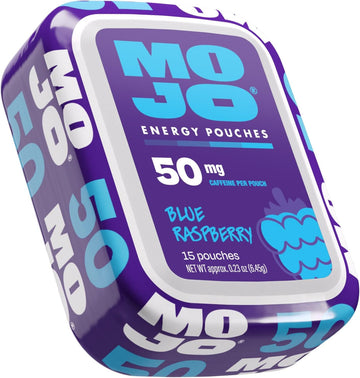
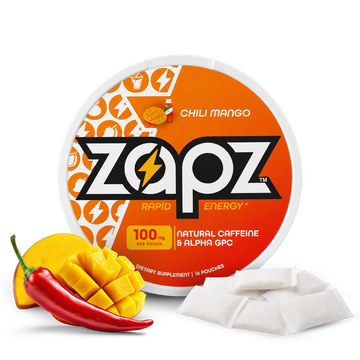
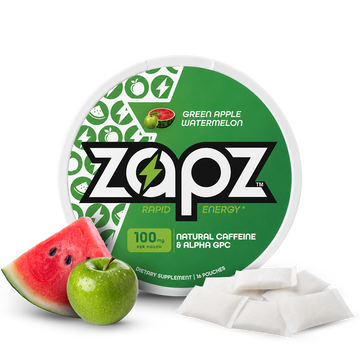
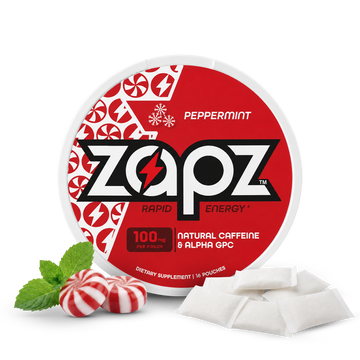
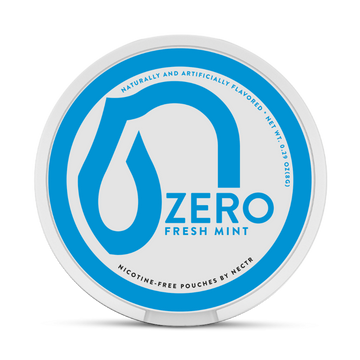
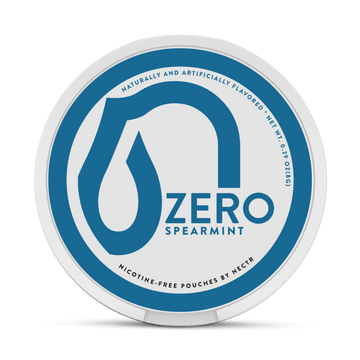
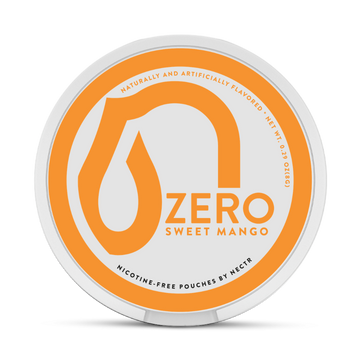


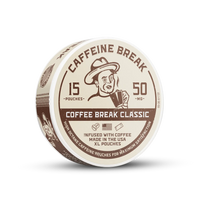


Long hauls and overnight shifts do not leave much room for a coffee stop every couple of hours, and a large energy drink means a bathroom stop you did not plan for. Caffeine pouches are built for exactly this kind of schedule: no cup, no can, no bathroom-stop math, and a strength you control from your cab. What follows is how drivers and shift workers use caffeine pouches on the road, how to plan strength across a long shift, and what to keep in mind for safety. We carry caffeine pouches from multiple brands and independently lab test what we sell, so we know these products well and can help you pick one that fits your route.
Why the Format Works for Long Hauls
A caffeine pouch fits in a shirt pocket or a cup holder tray without taking up real space, and there is no can to open or hot cup to balance while you drive. A pouch takes a couple of seconds to place, which is easier to do at a stop or rest area than cracking a can or managing a hot drink. The pouch sits between your gum and upper lip, you do not swallow it, you do not need to spit, and you throw it away when you are done. For drivers running a long stretch with limited stops, that difference adds up.
Skipping the Bathroom Stop Math
Large coffees and energy drinks add up in volume over a long shift, and that volume eventually means a stop you did not plan for on a tight schedule. A caffeine pouch delivers caffeine without adding liquid volume to what you are drinking, which can mean fewer unplanned stops across a long route.
These statements have not been evaluated by the FDA. This product is not intended to diagnose, treat, cure, or prevent any disease.
Brand-Certified 0mg Nicotine, on or off the Clock
PouchesDirect only sells products certified by the brand as containing 0mg nicotine and no tobacco or banned substances, and we independently lab test every product we sell for contaminants like heavy metals and microbials. That is the Pouches Direct Standard. Drivers subject to workplace or DOT policies around nicotine and tobacco products should check how their carrier treats pouch-format products, since policies vary. Confirm nicotine content on the label of anything you buy, since caffeine pouches share a shelf and a format with nicotine pouches.
Planning Strength Across a Shift
Caffeine content typically runs 20mg to 100mg or more per pouch depending on brand, and pacing that across a full shift matters more than reaching for the strongest option available. For comparison, the FDA puts a 12-ounce cup of green tea at about 37mg, black tea at about 71mg, and regular brewed coffee at 113mg to 247mg, and it cites 400mg a day, about two to three 12-ounce cups of coffee, as an amount not generally associated with negative effects for most adults (Source: FDA, content current as of August 28, 2024). Spacing lower or mid-strength pouches across the hours you are driving is one way to hold alertness more evenly than relying on one high-strength pouch early in the shift that fades hours before you are done.
If you are also drinking coffee at stops, add that caffeine to your total for the day. Overstacking caffeine late into an overnight shift can make it harder to sleep once you are off the road, which works against the rest you need before your next run. Caffeine-free and nootropic pouches are also options to rotate in late in a shift; check the ingredient panel for what each one lists.
A Note on Safety
Caffeine pouches, like coffee or an energy drink, are not a substitute for adequate rest, and no caffeine source is a fix for driving while genuinely fatigued. Federal hours-of-service rules and basic fatigue management still apply regardless of what you use to stay alert. If you are consistently exhausted on the road, that is a scheduling and rest issue, not something any caffeine format resolves.
These statements have not been evaluated by the FDA. This product is not intended to diagnose, treat, cure, or prevent any disease.
Choosing a Strength for Overnight Shifts
For overnight or early-morning shifts, choose a mid-strength pouch, generally 40mg to 70mg (about the 71mg in a 12-ounce cup of black tea), and adjust based on how the rest of your day or night is structured. Save higher-strength options, 70mg to 100mg or more (brewed coffee runs 113mg to 247mg per 12 ounces), for stretches where you already have an established tolerance and know how that level affects you. If you want two levels in the cab so you can choose based on how much of the shift is left rather than habit, the full caffeine pouch range lists milligram content on every product page.
Checking Company and DOT Policy
Some carriers maintain their own policies on what drivers can use on duty, separate from federal hours-of-service rules. Because caffeine pouches and nicotine pouches look alike in a can, a policy written around nicotine products can create confusion even when a caffeine pouch is not the product in question. If your carrier has a written policy on pouch-format products, check whether it distinguishes caffeine from nicotine before assuming either way. Keeping the product packaging on hand, which lists 0mg nicotine clearly, can settle the question quickly if it comes up.
No Can, No Crash, No Compromise on the Road
Long haul or short shift, PouchesDirect has a strength and flavor that fits your route. If your carrier ever asks for it in writing, our full caffeine pouch range covers brands that have agreed to the Pouches Direct Standard lab testing program, such as Nectr, TeaZa, WIP, Mojo, and ALP, with more to come, with milligram content listed and 0mg nicotine certified by the brand on every product page. For brands that disclose all ingredients and active ingredient dosages on their labels, we also lab test the label claims and screen for pesticides, so look for products with the PD Verified badge.
Restocking mid-route can be a hassle. If you would rather not hunt for a truck stop that carries your strength at two in the morning, the caffeine pouch range lets you stock up in a single order.
Route-specific advice sits on top of the basics. Our caffeine pouches guide covers how the format works, what the milligram ranges mean, and how to choose a strength.
Frequently Asked Questions
Are caffeine pouches good for staying alert on long drives?
Caffeine pouches can work as a caffeine source during long hauls because they require no cup, no can, and no stop to prepare. Caffeine content varies by brand, typically 20mg to 100mg or more per pouch, compared with 113mg to 247mg in a 12-ounce cup of regular brewed coffee (FDA), so pace your use across the shift rather than using a high-strength pouch all at once.
Can caffeine pouches replace sleep on an overnight shift?
No. Caffeine, in any format, is not a substitute for adequate rest. If you are experiencing genuine fatigue, that is a rest and scheduling issue, not something a caffeine pouch resolves.
How often can I use a caffeine pouch during a long shift?
Track your total caffeine intake across the shift, including any coffee or energy drinks, and space pouches out rather than using several back to back. Overstacking late in an overnight shift can make it harder to sleep once you are off duty.
Do caffeine pouches require any preparation while driving?
No preparation is needed. A pouch sits between your gum and upper lip and takes a few seconds to place, with no mixing, brewing, or pouring required. Place it while you are stopped rather than while driving.
These statements have not been evaluated by the FDA. This product is not intended to diagnose, treat, cure, or prevent any disease.


