
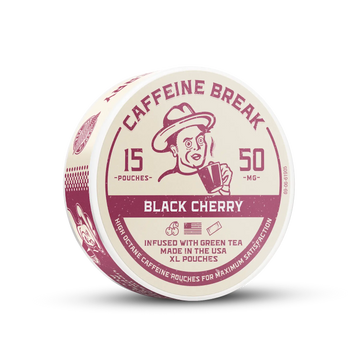
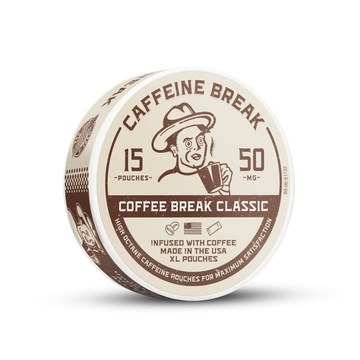
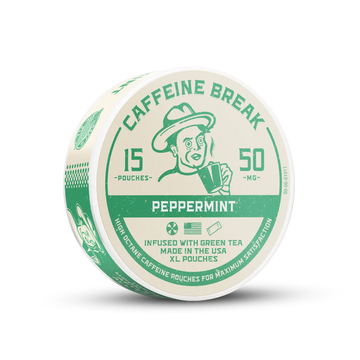
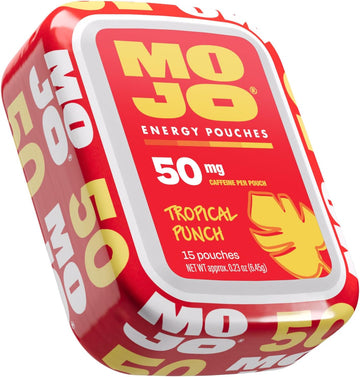
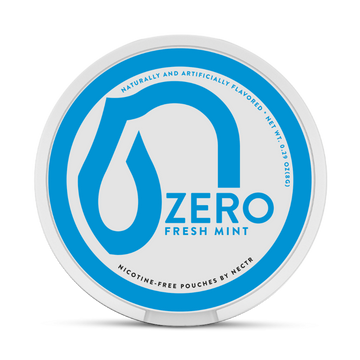
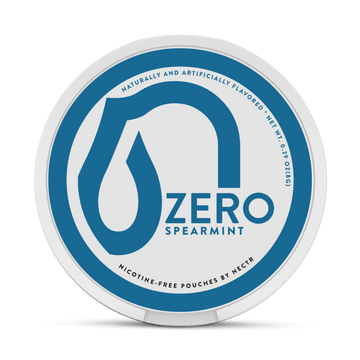
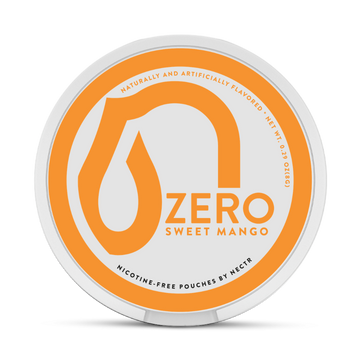


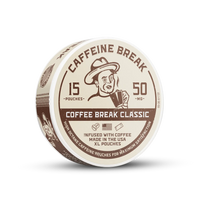


Pre-workout routines built around a shaker bottle and a scoop of powder work fine at home, but they fall apart the moment you are training somewhere else, whether that is a hotel gym, a track, or a friend’s garage setup. Caffeine pouches solve the logistics problem. No mixing, no water needed, no bottle to wash. Here is how athletes use caffeine pouches around training, how to think about timing, and how to choose a strength that matches your session. We carry caffeine pouches from multiple brands and independently lab test what we sell, so we know these products well and can help you pick one that fits your training.
Why Athletes Use Caffeine Pouches Pre-Workout
Caffeine is one of the most common pre-workout ingredients, and a caffeine pouch delivers it without the sugar or large liquid volume that comes with a mixed drink. Because the pouch sits between your gum and upper lip and absorbs through the oral mucosa rather than passing through the stomach, many users find the onset faster than a drink, which matters when you are warming up on a schedule rather than waiting thirty minutes for a pre-workout to kick in. You do not swallow the pouch itself, you do not need to spit while using one, and you throw it away when you are done.
These statements have not been evaluated by the FDA. This product is not intended to diagnose, treat, cure, or prevent any disease.
Timing a Pouch Around Training
Most people place a pouch 15 to 20 minutes before they want to feel the effect, though individual response varies. If you train early in the morning before eating, choose a lower-strength pouch, since caffeine on an empty stomach hits some people harder than they expect. If your session runs long, a second lower-strength pouch partway through can extend the lift without stacking a full second dose on top of the first.
Choosing a Strength for Your Session
Strength should match the intensity and length of your training, not just personal preference. A lighter lift or a mobility-focused session does not need the same caffeine load as a heavy squat day or a long endurance block.
Lower-strength pouches, generally in the 20mg to 40mg range (a 12-ounce cup of green tea is about 37mg), suit shorter sessions or days when you are also drinking coffee earlier. Mid-strength pouches, roughly 40mg to 70mg (a 12-ounce cup of black tea is about 71mg), work for a standard hour-long training session for most adults with an established caffeine tolerance. Higher-strength pouches, 70mg to 100mg or more (brewed coffee runs 113mg to 247mg per 12 ounces), are built for longer or more demanding sessions, and should be reserved for people who already tolerate that level of caffeine from other sources. The FDA also cites 400mg a day, about two to three 12-ounce cups of coffee, as an amount not generally associated with negative effects for most adults (Source: FDA, content current as of August 28, 2024). Caffeine-free and nootropic pouches are also options to rotate in on lighter training days; check the ingredient panel for what each one lists.
Check the exact milligram content on the product page before buying, since strength varies by brand and is not standardised across the category. If you want to see what each brand actually offers at a given level without opening product pages one at a time, caffeine pouches sorted by milligram strength is the fastest way to do it.
Stacking With Other Pre-Workout Products
If you already use a pre-workout supplement, a caffeine pouch adds to your total caffeine intake rather than existing separately from it. Check the caffeine content of your pre-workout and add the pouch’s milligram amount to get your real total. Stacking two full-strength caffeine sources back to back is how people end up overstimulated, jittery, or unable to sleep that night, none of which helps a training session.
These statements have not been evaluated by the FDA. This product is not intended to diagnose, treat, cure, or prevent any disease.
Sugar Alternatives, No Bottle, No Crash Timing
One advantage of the format is skipping the sugar that comes standard in most energy drinks and many pre-workout mixes. A caffeine pouch delivers caffeine on its own, with sugar alternatives in place of a sugar load riding alongside it, which for some people means a smoother comedown after training rather than the sharp crash that follows a sugary energy drink. This is a description of the format’s ingredients, not a claim about performance outcomes.
Evening Training and Sleep
If your training window falls in the evening, timing matters more than it does for a morning session. A higher-strength pouch a few hours before bed can push back your wind-down time and cut into sleep quality, which works against the recovery your training depends on. Athletes who train after work can switch to a lower-strength pouch, generally in the 20mg to 40mg range (about the 37mg in a 12-ounce cup of green tea), for evening sessions and save higher-strength options for mornings or midday. If your gym schedule is fixed to evenings, plan around that rather than defaulting to whatever strength you use pre-noon. If you would rather skip caffeine late in the day, caffeine-free and nootropic pouches are also options to rotate in; check the ingredient panel for what each one lists.
Hydration matters here too, especially if training runs long. A pouch delivers caffeine, not fluids, so keep your normal water intake around a session the same as you would on any other training day.
Shop Caffeine Pouches for Training
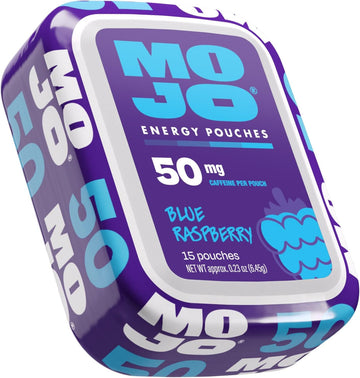
PouchesDirect carries caffeine pouches from brands that have agreed to the Pouches Direct Standard lab testing program, such as Nectr, TeaZa, WIP, Mojo, and ALP, with more to come, and each has its own strength range, so you can match the pouch to the session instead of building your training around whatever single option a local shop happens to stock. PouchesDirect only sells products certified by the brand as containing 0mg nicotine and no tobacco or banned substances, and we independently lab test every product we sell for contaminants like heavy metals and microbials. That is the Pouches Direct Standard. For brands that disclose all ingredients and active ingredient dosages on their labels, we also lab test the label claims and screen for pesticides, so look for products with the PD Verified badge. Heading into a long lift or an early session? Shop caffeine pouches for training and skip the shaker bottle altogether.
Strength selection is the decision that deserves the most thought, and choosing a caffeine pouch strength and flavor goes through it in more depth than a training-specific article has room for.
Frequently Asked Questions
Are caffeine pouches good for pre-workout?
Many athletes use caffeine pouches as a pre-workout caffeine source because they are portable and do not require mixing. Caffeine content varies by brand, typically 20mg to 100mg or more per pouch, compared with 113mg to 247mg in a 12-ounce cup of regular brewed coffee (FDA), so check the label and choose a strength that matches your training intensity and tolerance.
How long before a workout should I use a caffeine pouch?
Most people place a pouch 15 to 20 minutes before training, though individual response varies. Choose a lower-strength pouch if you train on an empty stomach or are sensitive to caffeine.
Can I use a caffeine pouch with pre-workout supplements?
You can, but the caffeine amounts add together. Check the milligram content of both your pre-workout and your pouch, and add them to know your real total intake for that session.
Do caffeine pouches contain nicotine?
No. Caffeine pouches sold on PouchesDirect are certified by their brands as containing 0mg nicotine and no tobacco. They are a distinct product from nicotine pouches despite the similar format.
These statements have not been evaluated by the FDA. This product is not intended to diagnose, treat, cure, or prevent any disease.


