
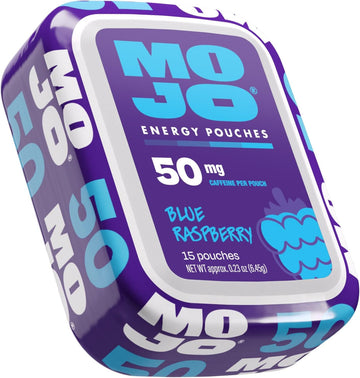
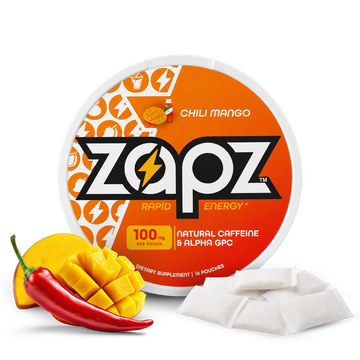
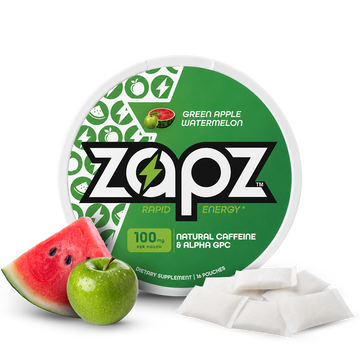
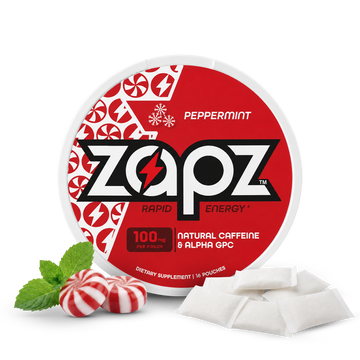
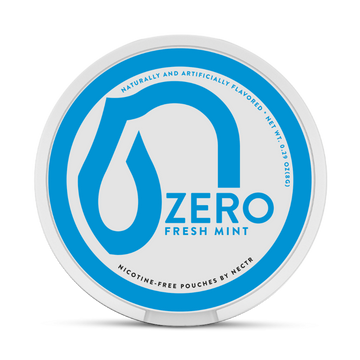
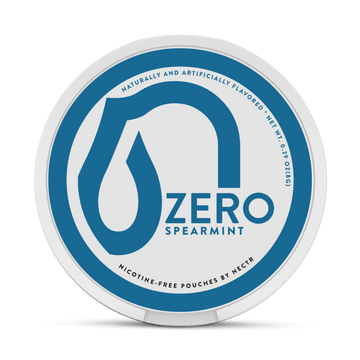
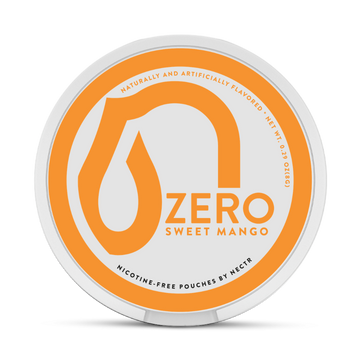


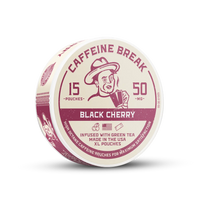
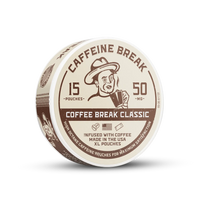


If you already get your caffeine from a cup or a can and are weighing a different format, the mechanics of a pouch are worth understanding. This article breaks down what happens between placing a pouch and feeling the effect, why some users find the format acts faster than a drink, and what determines how strong that effect is. We carry caffeine pouches from multiple brands and independently lab test what we sell, so we know these products well and can help you make sense of them.
The Basic Mechanism
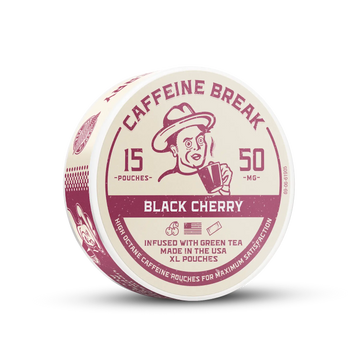
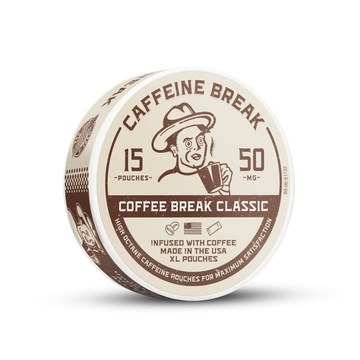
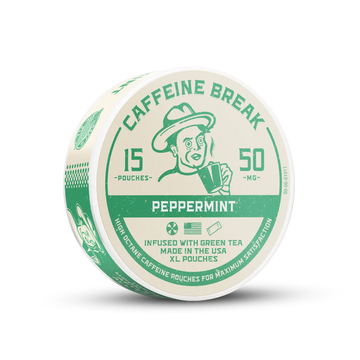
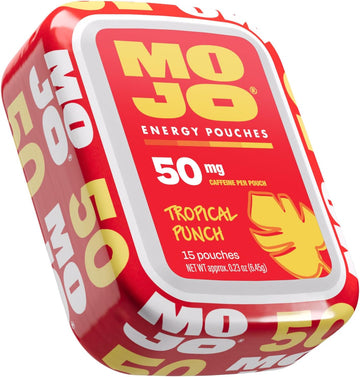
A caffeine pouch is placed between your gum and upper lip. The pouch itself is a small packet made from a plant-fiber material that holds caffeine and flavoring in place while allowing moisture from your mouth to activate it. As the pouch sits there, caffeine releases gradually and can be absorbed through the tissue lining your mouth, known as the oral mucosa. You do not swallow the pouch itself, you do not need to spit while using one, and you throw it away when you are done.
Why Oral Absorption Is Different From Drinking Caffeine
When you drink coffee or an energy drink, caffeine has to travel through your digestive system before it reaches your bloodstream. That route takes time and can be affected by what else is in your stomach. Caffeine can also be absorbed through the lining of the mouth, which does not depend on digestion. Research on caffeinated chewing gum found that caffeine reached its peak level in the blood sooner than caffeine in capsules, and the authors suggested this may reflect absorption through the lining of the mouth (Source: Kamimori et al., 2002). That research did not test pouches, and we are not aware of human studies that do, so timing varies by individual and by product. Many users report a faster onset with a pouch than with a drink.
These statements have not been evaluated by the FDA. This product is not intended to diagnose, treat, cure, or prevent any disease.
What Determines Strength and Duration
Two things determine how strong a pouch feels and how long it lasts: the milligram amount of caffeine in that specific product, and how long you keep the pouch in. Caffeine content varies by brand, typically 20mg to 100mg or more per pouch, and is always printed on the label. For comparison, the FDA puts a 12-ounce cup of green tea at about 37mg, black tea at about 71mg, and regular brewed coffee at 113mg to 247mg, and it cites 400mg a day, about two to three 12-ounce cups of coffee, as an amount not generally associated with negative effects for most adults (Source: FDA, content current as of August 28, 2024). For brands that disclose all ingredients and active ingredient dosages on their labels, we also lab test the label claims and screen for pesticides, so look for products with the PD Verified badge. Most people keep a pouch in for 20 to 40 minutes, though this varies by brand and by how long you personally want the effect to build.
Individual factors matter too. Body weight, existing caffeine tolerance, and whether you have eaten recently can all affect how a given milligram amount feels to you. This is the same variability you would see with a cup of coffee, just applied to a different delivery format. Caffeine-free and nootropic pouches are also options to rotate in if you want less caffeine on a given day; check the ingredient panel for what each one lists.
Pouch Format vs Tablets, Powders, and Drinks
Caffeine tablets and powders typically require swallowing and pass through the stomach. A caffeine pouch is designed to stay in the mouth, where caffeine can absorb through the lining of the mouth, though some caffeine may also be swallowed with saliva. That is the core mechanical difference between the formats. None of these formats change what caffeine is or does. They change how it gets into your system and how quickly.
Does the Flavor or Base Material Affect Absorption?
The plant-fiber base and flavoring in a caffeine pouch are there for texture, comfort, and taste, not to change how caffeine is absorbed. The absorption mechanism is the same regardless of flavor. Choose a flavor based on what you will actually want to use again, since consistency matters more for daily use than any specific flavor profile.
Does Eating Beforehand Change the Effect?
Food in your stomach can slow down swallowed caffeine. A pouch is not swallowed, so that effect may matter less, though we are not aware of studies that test it for pouches. That said, many people report a caffeine pouch feeling stronger on an empty stomach. To gauge how a given milligram amount affects you, using a pouch after eating rather than first thing in the morning is a reasonable approach before adjusting strength.
These statements have not been evaluated by the FDA. This product is not intended to diagnose, treat, cure, or prevent any disease.
A Note on Nicotine Pouches
Nicotine pouches use the same basic delivery mechanism, oral absorption through a pouch placed between the gum and upper lip, which is part of why the two product categories are so often confused. The mechanism is similar. The ingredient is not. PouchesDirect only sells products certified by the brand as containing 0mg nicotine and no tobacco or banned substances, regardless of the shared format. We take it a step further and independently lab test every product we sell for contaminants like heavy metals and microbials. That is the Pouches Direct Standard. If that distinction is the reason you are reading this, our full pouch collection lists every product we carry, each certified by its brand as 0mg nicotine.
Where This Fits Into the Bigger Picture
Understanding the mechanism is one piece of the picture, and most people land here while comparing formats. How to choose a caffeine pouch picks up from there, working through strength, flavor, and how the format compares against coffee, energy drinks, and pre-workout.
The mechanism is identical across brands. What changes is the milligram content, the flavor lineup, and the base material, which is why the full caffeine pouch catalogue lists caffeine content per pouch on every product page across brands that have agreed to the Pouches Direct Standard lab testing program, such as Nectr, TeaZa, WIP, Mojo, and ALP, with more to come, rather than quoting a single figure for the category.
Frequently Asked Questions
Do caffeine pouches work faster than coffee?
Caffeine pouches are designed to be absorbed through the lining of your mouth rather than swallowed. Research on caffeinated gum suggests this route can be faster than swallowed caffeine, but we are not aware of studies on pouches specifically, and exact timing varies by individual.
How long does it take to feel a caffeine pouch?
Onset varies by person and product, but many users report feeling an effect faster than with a drink. Most people keep a pouch in for 20 to 40 minutes to get the full effect.
Does keeping the pouch in longer make it stronger?
Keeping a pouch in longer allows more of its caffeine content to release and absorb, up to a point. Check the product packaging for the usage guidance, since most people keep a pouch in for 20 to 40 minutes.
Is the absorption method the same as nicotine pouches?
The delivery mechanism, oral absorption through a pouch between the gum and upper lip, is similar to nicotine pouches. The ingredients are different. Caffeine pouches sold on PouchesDirect are certified by their brands as containing 0mg nicotine and no tobacco.
These statements have not been evaluated by the FDA. This product is not intended to diagnose, treat, cure, or prevent any disease.


