
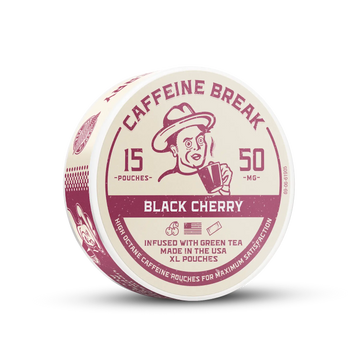
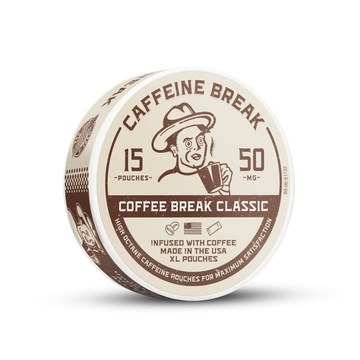
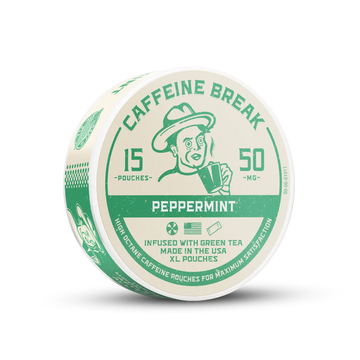
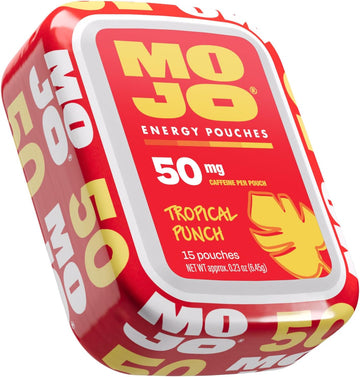


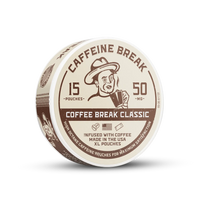


Long shifts ask a lot of you. Whether you are behind the wheel on a 14-hour haul, on your feet in a hospital ward, running a warehouse floor, or finishing your third double shift of the week, the middle hours are when everything starts to slide. Focus can dip, and the coffee from the break room has gone cold.
Energy pouches are one option for this situation. Small, discreet, and ready when you need them, they deliver caffeine without a can, and they use sugar alternatives rather than sugar. Here is how they work, how they compare with the alternatives, and how to pace them across a full shift. We carry energy and caffeine pouches from multiple brands and independently lab test what we sell, so we know this category well and can help you choose.
What Are Energy Pouches and How Do They Work?
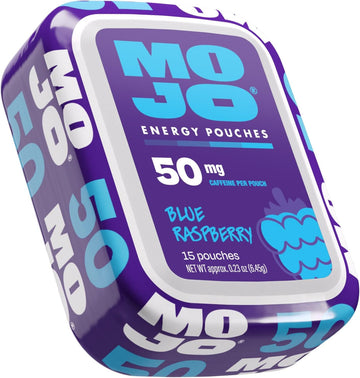
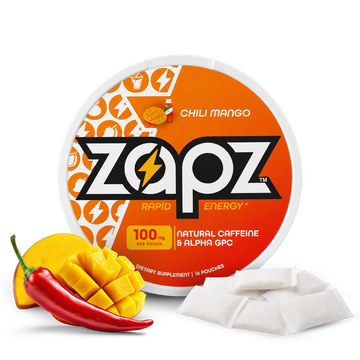
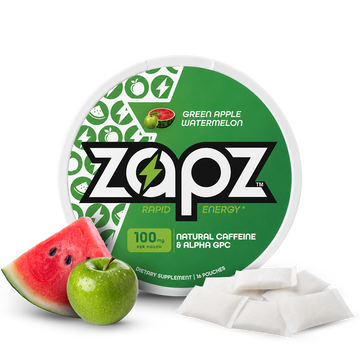
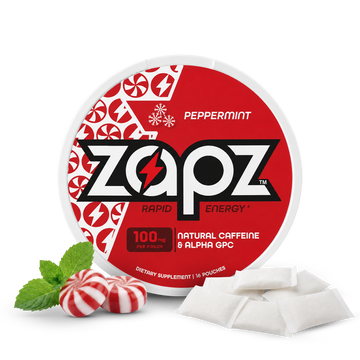
Energy pouches are small pouches placed between your gum and upper lip. You do not swallow the pouch, you do not need to spit, and you throw it away when you are done. Caffeine can be absorbed through the oral mucosa, the thin membrane lining the inside of your mouth, which does not depend on digestion. Research on caffeinated chewing gum found that caffeine reached its peak level in the blood sooner than caffeine in capsules, and the authors suggested this may reflect absorption through the lining of the mouth (Source: Kamimori et al., 2002). That research did not test pouches, and we are not aware of human studies that do.
These statements have not been evaluated by the FDA. This product is not intended to diagnose, treat, cure, or prevent any disease.
Caffeine content varies by brand and product, typically 20mg to 100mg or more per pouch. For comparison, the FDA puts a 12-ounce cup of green tea at about 37mg, black tea at about 71mg, and regular brewed coffee at 113mg to 247mg, and it cites 400mg a day, about two to three 12-ounce cups of coffee, as an amount not generally associated with negative effects for most adults (Source: FDA, content current as of August 28, 2024). A moderate amount may suit a steady shift, and a higher amount may suit stretches where demands spike. PouchesDirect only sells products certified by the brand as containing 0mg nicotine and no tobacco or banned substances, and we independently lab test every product we sell for contaminants like heavy metals and microbials. That is the Pouches Direct Standard. Energy pouches are often confused with nicotine pouches, a separate product category.
Why Long Shifts Are Hard on Your Energy Levels
Many people notice natural energy dips in the early afternoon and again in the pre-dawn hours. For shift workers, those windows can carry real safety weight.
Truck drivers face hours-of-service regulations because fatigue is a recognized factor in commercial vehicle incidents. Fatigue is also a recognized concern in healthcare and warehouse work.
Caffeine is a common response to fatigue, though it is no substitute for rest. The real question is how you take it, and whether the delivery method fits into a shift environment.
Why Energy Pouches Fit a Long Shift Better Than the Alternatives
No Preparation Required
Coffee requires a machine, hot water, a cup, and time. Energy drinks require refrigeration or, at minimum, a stop to buy one. Energy pouches need none of that, sitting in your pocket or bag, ready whenever you need one, without leaving your post.
For truck drivers, that means one less thing to set up at a stop. For nurses, it means a pouch can be used between patients without a break room trip. For warehouse workers, it means less time lost.
Sugar Alternatives, Not Sugar
Some people report an energy dip after a high-sugar energy drink.
Energy pouches use sugar alternatives rather than sugar. Working out your strength and flavor preference mid-shift, with no minutes to spare, is the wrong time to be experimenting; do that homework once in the energy pouches collection before you clock in.
Discreet in Any Environment
An open energy drink at a nursing station or in a truck cab is not always practical, and in some settings it is not allowed. A pouch is discreet in use and can be used on a warehouse floor, at a rest stop, between patients, or in a meeting.
For workers in environments with strict food and drink rules, that discretion can be the difference between having a caffeine option and not, though it is worth checking your employer’s policy first.
How to Use Energy Pouches Strategically During a Long Shift
Place the pouch between your gum and upper lip and leave it there. You do not swallow it and do not need to spit. Check the product packaging for usage guidance; most people keep a pouch in for 20 to 45 minutes. Some users notice a mild tingling at first; if any discomfort persists, remove the pouch.
The more useful question is when and how often to use them across a shift. That depends on the caffeine content of the pouch, your tolerance, and the other caffeine you have had, so check the label and plan your total for the shift.
Spacing matters. Caffeine can stay active for hours, so the first pouch may still be contributing when you reach for a second. Stacking many pouches raises your total intake. Stay within your tolerance and factor in other caffeine taken during the shift. Caffeine-free and nootropic pouches are also options to rotate in late in a shift; check the ingredient panel for what each one lists.
Who Uses Energy Pouches on Long Shifts?
Truck Drivers and Long-Haul Operators
Long-haul driving keeps you in the cab for hours with limited stops. Place a pouch while you are stopped, not while you are driving. No caffeine format is a fix for driving while fatigued, and hours-of-service rules and rest still apply.
Nurses and Healthcare Workers
Healthcare workers can go hours without a break during a busy stretch. A pouch has no liquid to spill, which matters near patients and equipment, though it is worth checking your employer’s policy first.
Warehouse and Logistics Workers
Physical labor adds its own fatigue. A pouch requires nothing but a pocket and a moment, which is useful when breaks are short. Caffeine does not replace rest, and safety rules and breaks still apply.
Choosing the Right Energy Pouch for Your Shift
Caffeine strength is the most important consideration. A lower-strength pouch, 20mg to 40mg (about the 37mg in a 12-ounce cup of green tea), is a reasonable way to gauge your response before moving higher. Experienced users who know their tolerance may prefer a 60mg to 100mg pouch (a 12-ounce cup of black tea is about 71mg, and brewed coffee runs 113mg to 247mg).
Flavor matters for long shifts too, since the same format gets used repeatedly across a shift. Running out mid-week and switching brands out of necessity is how a bad flavor pick happens twice; ordering several at once keeps a week stocked in the strengths you have already tried.
What Does Nicotine Free Mean for Energy Pouches?
PouchesDirect only sells products certified by the brand as containing 0mg nicotine and no tobacco or banned substances. That distinction can matter for workers in regulated industries where nicotine products are prohibited or testing is a factor, so check your employer’s policy and the product label. For brands that disclose all ingredients and active ingredient dosages on their labels, we also lab test the label claims and screen for pesticides, so look for products with the PD Verified badge. PouchesDirect carries brands that have agreed to the Pouches Direct Standard lab testing program, such as Nectr, TeaZa, WIP, Mojo, and ALP, with more to come.
Shift work is one specific use case inside a much bigger picture. For the full rundown on strength, flavor, and how energy pouches stack up against coffee and energy drinks generally, see the complete guide to energy pouches.
Frequently Asked Questions
Are energy pouches safe for long work shifts?
Energy pouches deliver caffeine, so the same cautions apply as with any caffeinated product: stay within your tolerance, and anyone sensitive to caffeine, pregnant, or managing a health condition should talk to a healthcare professional first. The FDA cites 400mg of caffeine a day, about two to three 12-ounce cups of coffee, as an amount not generally associated with negative effects for most adults (FDA, content current as of August 28, 2024), so factor in other caffeine sources when planning your shift intake.
How many energy pouches can I use during a shift?
This depends on the caffeine content of the specific pouch and your tolerance. Pouches typically range from 20mg to 100mg of caffeine each, compared with 113mg to 247mg in a 12-ounce cup of regular brewed coffee (FDA). Add up the caffeine from every source across the shift, check the label, and stay within your own tolerance.
Do energy pouches contain nicotine?
No. PouchesDirect only sells products certified by the brand as containing 0mg nicotine and no tobacco. They are caffeine products, distinct from nicotine pouches.
How do energy pouches compare to energy drinks during a long shift?
Energy pouches require no refrigeration, produce no waste beyond a small pouch, and use sugar alternatives rather than sugar. They are also discreet, and can be used on a warehouse floor, at a rest stop, or at a nursing station where an open drink is not practical.
Where can I buy energy pouches for shift workers?
PouchesDirect stocks energy pouches from multiple brands, in a variety of strengths and flavors. Browse the range to find the right level for your shift.
These statements have not been evaluated by the FDA. This product is not intended to diagnose, treat, cure, or prevent any disease.


