
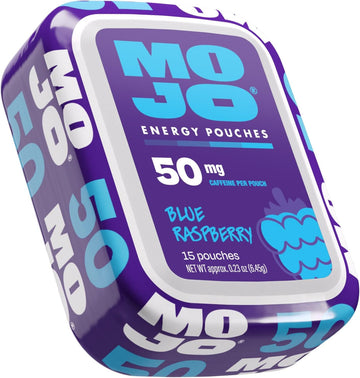
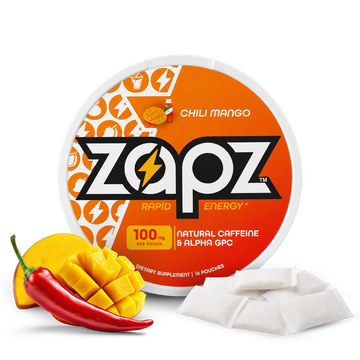
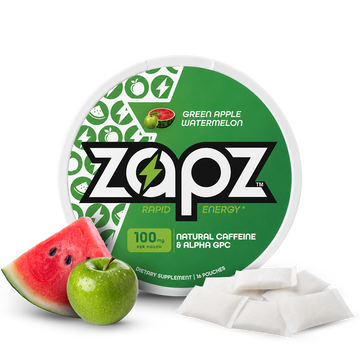
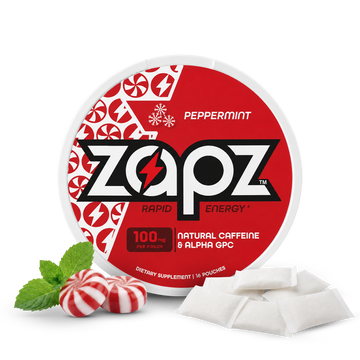




If you train with any consistency, you know the ritual: measure your scoop, mix with cold water, wait for the tingle, and hope the tub in your gym bag has not clumped into a brick. Pre-workout has been a gym staple for years and has earned that position. But caffeine pouches are another option for athletes who mainly want caffeine. Both formats deliver caffeine. The real question is which one fits how you actually train. We carry caffeine pouches from multiple brands and independently lab test what we sell, so we know this category well and can help you choose.
What Is Pre-Workout, and What Does It Contain?
Pre-workout is a powdered supplement mixed with water and consumed before exercise. Most formulas are built around caffeine as the primary stimulant, typically delivering anywhere from 150mg to 300mg or more per serving depending on the product. For comparison, the FDA puts a 12-ounce cup of green tea at about 37mg, black tea at about 71mg, and regular brewed coffee at 113mg to 247mg, and it cites 400mg a day, about two to three 12-ounce cups of coffee, as an amount not generally associated with negative effects for most adults (Source: FDA, content current as of August 28, 2024). Beyond caffeine, most pre-workouts include additional compounds, which vary from product to product, so check the label for what a given product lists.
The appeal is the stacked formula: caffeine plus a range of other compounds in a single serving. The drawback is the complexity that comes with it. You need water, a shaker, preparation time, and a tolerance for a product that can cause jitteriness or gut discomfort for some users once the dose clears.
How Do Caffeine Pouches Work?
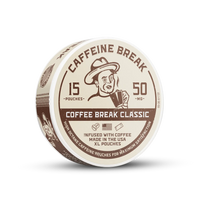
Caffeine pouches are placed between your gum and upper lip. You do not swallow the pouch, you do not need to spit, and you throw it away when you are done. Caffeine can be absorbed through the oral mucosa, which does not depend on digestion. Research on caffeinated chewing gum found that caffeine reached its peak level in the blood sooner than caffeine in capsules, and the authors suggested this may reflect absorption through the lining of the mouth (Source: Kamimori et al., 2002). That research did not test pouches, and we are not aware of human studies that do. There is no mixing and no liquid to settle in your stomach.
These statements have not been evaluated by the FDA. This product is not intended to diagnose, treat, cure, or prevent any disease.
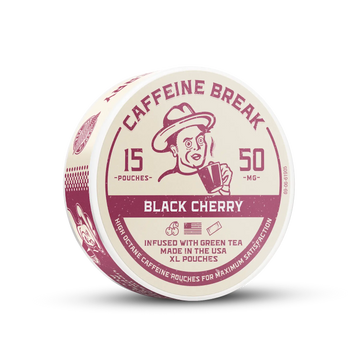
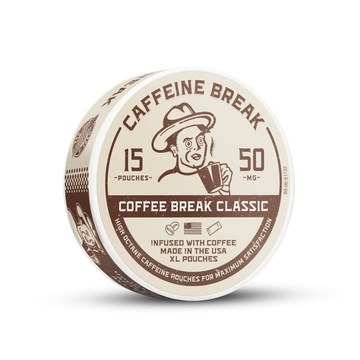
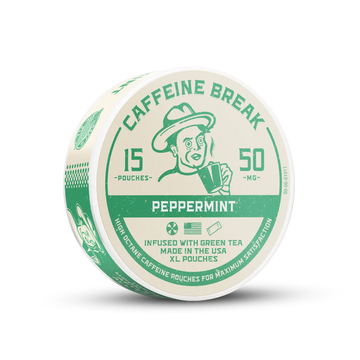
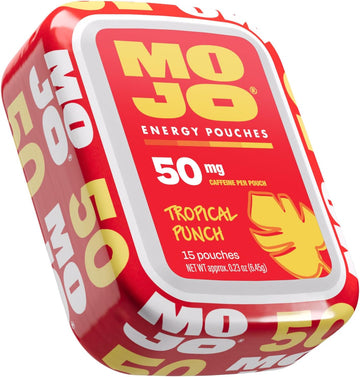
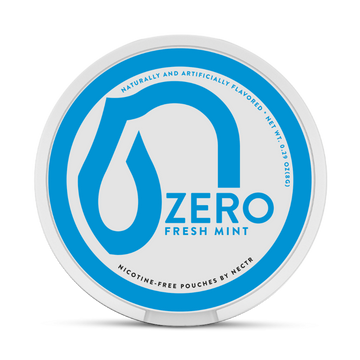
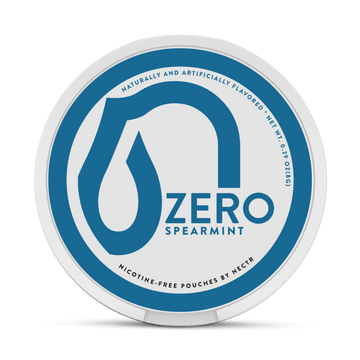
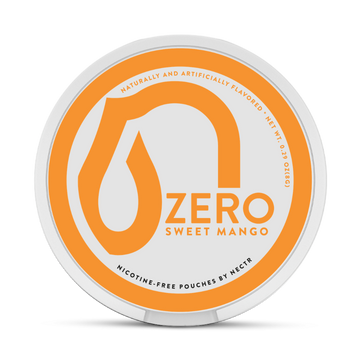
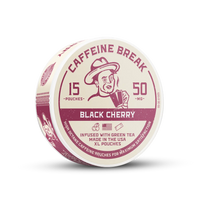
Caffeine content in pouches varies by brand and product, typically ranging from 20mg to 100mg or more per pouch (a 12-ounce cup of black tea is about 71mg). PouchesDirect only sells products certified by the brand as containing 0mg nicotine and no tobacco or banned substances, and we independently lab test every product we sell for contaminants like heavy metals and microbials. That is the Pouches Direct Standard. For brands that disclose all ingredients and active ingredient dosages on their labels, we also lab test the label claims and screen for pesticides, so look for products with the PD Verified badge. Many people associate the pouch format with nicotine products, but caffeine pouches are a different product category, built around caffeine.
What Are the Real Differences?
Pre-workout is a multi-ingredient product, which is simultaneously its strength and its weakness. If you want the additional compounds a formula lists, pre-workout delivers them in one serving. But if all you want is caffeine, a formula with additional compounds may be more than you need.
Caffeine pouches are a single-purpose format built around caffeine. For athletes who train fasted, have sensitive stomachs, or simply prefer a simpler product, that simplicity can matter. Athletes in sports with strict supplement rules should check the ingredient list and the rules of their sport before using any product.
On convenience, the two formats differ. A pouch fits in your pocket and works anywhere: the gym floor before a set, a parking lot before a run, a competition warm-up area where a shaker bottle is not practical. Pre-workout requires water, a container, and a few minutes of preparation. Anyone who has trained at 5am or shown up somewhere mixing a drink was not an option already knows this tradeoff by feel; the wider comparison against coffee and energy drinks shows the same portability gap holds regardless of what you are actually replacing.
Which Format Delivers Caffeine More Effectively?
This depends on what "effective" means to you. If the goal is peak caffeine volume per serving, most pre-workouts deliver a higher total dose than one pouch. But effective delivery is not only about the number on the label. Caffeine can be absorbed through the oral mucosa, and some users report onset feels faster than swallowed caffeine, though we are not aware of studies on pouches specifically.
Pre-workout absorption can vary based on what else is in your stomach and how a formula is designed. A pouch lists its caffeine content on the label, and the total per pouch is typically lower than a full pre-workout serving. A fixed scoop gives you one dose whether the session calls for it or not; comparing caffeine content in the caffeine pouches range lets you match the dose to the session instead. Caffeine-free and nootropic pouches are also options to rotate in; check the ingredient panel for what each one lists.
Is Pre-Workout Better for Athletic Performance?
It depends on what your training requires. If your goals call for the additional compounds a pre-workout lists, pre-workout still has a legitimate role, since the other compounds in a formula are something a pouch does not offer. If you are running a high-intensity resistance program, a full pre-workout formula offers more than a pouch does.
That said, some athletes reach for pre-workout mainly out of habit. If you are using a scoop primarily for the caffeine and regularly dealing with bloat, jitters, or an ingredient list you cannot pronounce, a caffeine pouch may be worth trying instead, especially for endurance work, cardio, or any session where you do not want a heavy formula sitting in your gut.
What About the Energy Drop After Caffeine?
Some people report an energy drop after a large dose of caffeine wears off, and pre-workouts often contain more caffeine per serving than a single pouch.
Individual responses to caffeine vary, and total dose management matters regardless of format. We are not aware of studies comparing how pouches and pre-workout affect energy levels over time.
When Are Caffeine Pouches the Better Choice for Athletes?
Early morning training is one case. When you cannot eat or drink much before a session, a pouch gives you a caffeine option that does not involve a drink. Competition days are another, since a pouch has nothing to mix or finish before you start.
Travel and remote training are practical factors too. Pre-workout requires clean water, a shaker, and time to settle. A pouch requires none of that, which matters for endurance athletes training outside a well-stocked gym. Committing to a full can of a strength you have not used before is a bad bet ahead of a key session; ordering a few strengths and flavors spreads that risk instead.
The Bottom Line
Pre-workout is a solid product if you need everything it contains. If caffeine is what you are after, a pouch is a simpler option, with less preparation than a pre-workout drink.
Frequently Asked Questions
Are caffeine pouches as strong as pre-workout?
Both contain caffeine, but total dose per serving varies. Many pre-workouts deliver 150mg to 300mg per scoop, while individual caffeine pouches typically range from 20mg to 100mg or more per pouch, compared with 113mg to 247mg in a 12-ounce cup of regular brewed coffee (FDA). Because each pouch lists its caffeine content, you can add up your total across the session.
Do caffeine pouches have the same ingredients as pre-workout?
Not necessarily. Caffeine pouches are built around caffeine and, depending on the brand, other ingredients listed on the label. Pre-workout supplements typically include additional compounds alongside caffeine, which vary by product. Check each label for what it lists.
Can I use a caffeine pouch instead of pre-workout before a workout?
Some athletes use caffeine pouches instead of pre-workout, particularly for cardio, endurance training, or sessions where a full formula is not needed. Place the pouch between your gum and upper lip, and check the product packaging for usage guidance.
Is there an energy drop after caffeine pouches or pre-workout?
Some people report an energy drop after a large dose of caffeine wears off, whatever the format. Pre-workouts often contain more caffeine per serving than a single pouch, but individual responses vary, and we are not aware of studies comparing the two.
Are caffeine pouches safe for athletes?
PouchesDirect only sells products certified by the brand as containing 0mg nicotine and no tobacco. As with any supplement, reviewing the specific product's ingredient list and caffeine content before use is sensible. Athletes with caffeine sensitivity or specific health conditions should consult a healthcare professional before adding any caffeinated product to their routine.
These statements have not been evaluated by the FDA. This product is not intended to diagnose, treat, cure, or prevent any disease.


