
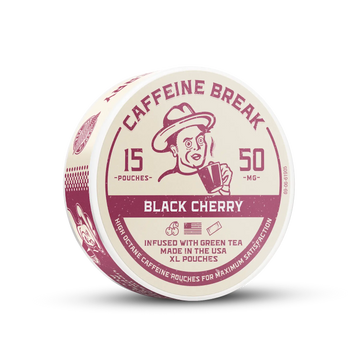
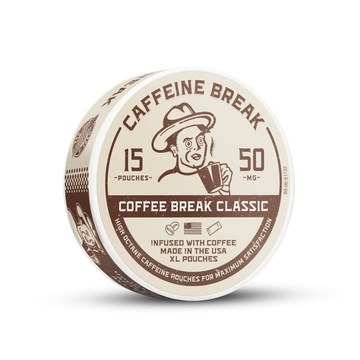
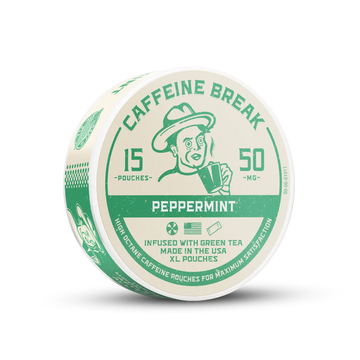
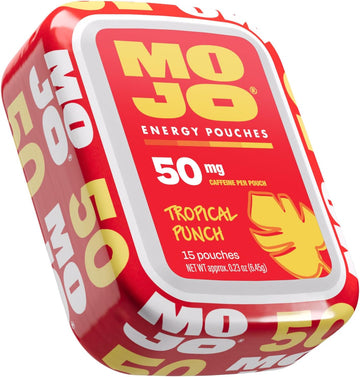
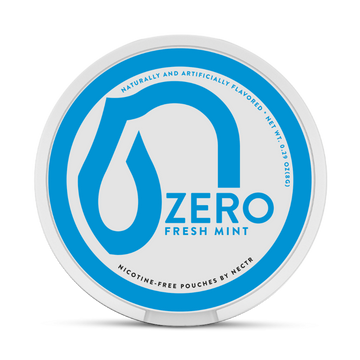
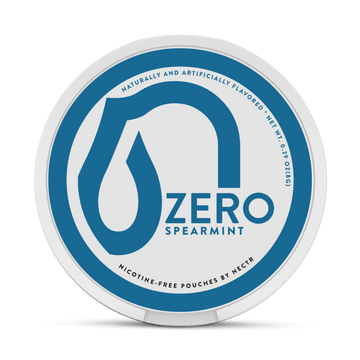
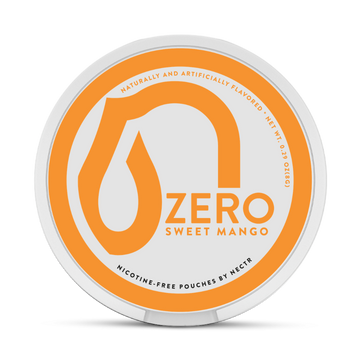


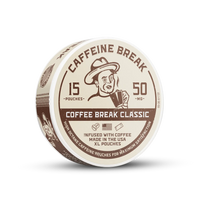


You need energy. The question is how you get it. For a long time, the default answer was to grab an energy drink and crack the can. Short answer: the caffeine is the same in either format. A pouch differs in sugar alternatives instead of sugar, onset, and portability; an energy drink differs in flavor and fluid volume. We carry caffeine pouches from multiple brands and independently lab test what we sell, so we know how they compare and can help you choose. For a wider comparison, see caffeine pouches vs coffee, energy drinks and pre-workout.
What Is an Energy Drink and How Does It Work?
Many energy drinks are carbonated beverages that deliver caffeine alongside other ingredients, which vary by product and are listed on the can. Caffeine content varies by product and is printed on the can. The caffeine enters your bloodstream through digestion, so absorption depends on what else is in your stomach.
Many mainstream energy drinks contain added sugar, and the amount is listed on the can. Reduced-sugar and no-sugar versions exist, and the caffeine delivery mechanism is the same: you swallow it, and it passes through the gut.
What Are Caffeine Pouches and How Do They Deliver Caffeine?
Caffeine pouches are small pouches placed between your gum and upper lip. Caffeine can be absorbed through the oral mucosa, which does not depend on digestion. Research on caffeinated chewing gum found that caffeine reached its peak level in the blood sooner than caffeine in capsules, and the authors suggested this may reflect absorption through the lining of the mouth (Source: Kamimori et al., 2002). That research did not test pouches, and we are not aware of human studies that do. Pouches use sugar alternatives rather than sugar, with no carbonation and nothing to pour. You do not swallow the pouch, you do not need to spit, and you throw it away when you are done.
[DIAGRAM PLACEHOLDER: simple labeled graphic showing a pouch under the upper lip with caffeine passing through the oral mucosa, versus a drink passing through the stomach and digestive system. Request through the design ticket.]
These statements have not been evaluated by the FDA. This product is not intended to diagnose, treat, cure, or prevent any disease.
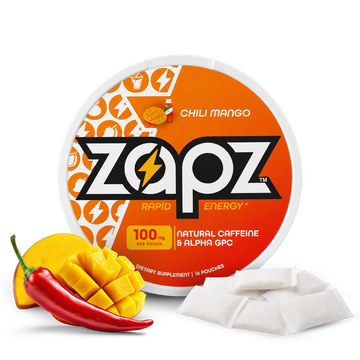
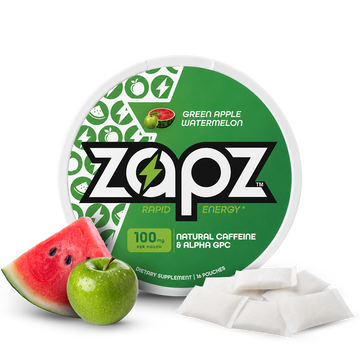
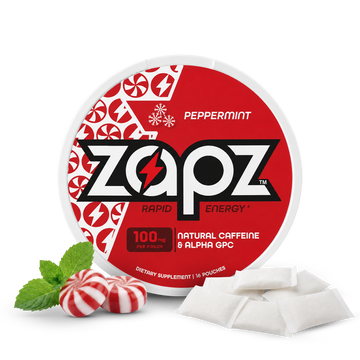
Caffeine content per pouch varies by brand and product, typically ranging from 20mg up to 100mg or more, against 113mg to 247mg for a 12-ounce brewed coffee (Source: FDA, content current as of August 28, 2024), with the dose stated on the label. A light lift before a meeting and a full dose before training are two different shopping lists, not one, so browse the caffeine pouches range for whichever one you are actually solving for today. Caffeine-free and nootropic pouches are also options to rotate in; check the ingredient panel for what each one lists.
A Direct Comparison
Sugar and the Crash
Sugar is one difference between the two formats. Many standard energy drinks contain added sugar, and a sugar load can be followed by a sugar crash. Caffeine pouches use sugar alternatives rather than sugar, so there is no sugar load to come down from. Caffeine itself still wears off in any format.
Speed of Onset
Energy drinks are swallowed, so onset can vary with whether you have eaten recently. Research on caffeinated gum suggests absorption through the lining of the mouth can be faster than swallowed caffeine, but we are not aware of studies on pouches specifically, and some users report feeling an effect sooner.
Portability and Convenience
An energy drink needs to be cool to be enjoyable, takes up space, and has to go somewhere once you are done with it. A caffeine pouch fits in a pocket, with nothing to open, nothing to spill, and no refrigeration required. You can use one during a meeting, on a training run, or at a desk without drawing attention.
Calories and Ingredients
Energy drinks list calories and ingredients on the can, and sugar-containing versions add calories. Caffeine pouches should contain caffeine, flavoring, sugar alternatives, and a plant-fiber base, so check the ingredient panel for what each product lists.
Taste and Flavor
Energy drinks compete heavily on flavor, and the category has produced an enormous variety of options. Caffeine pouches also come in flavors, from mint to citrus to coffee, but the experience differs since you are holding a small pouch against your gum rather than drinking a beverage. Which one you prefer comes down to personal taste.
Who Should Consider Switching to Caffeine Pouches?
Here are a few situations where a pouch fits.
Athletes can skip the sugar load and the can before a workout. Professionals cracking a can in a meeting deal with noise a pouch avoids, since a pouch is discreet in use. Truck drivers and shift workers may find a no-mess format easier to manage than a can, though no caffeine format replaces adequate rest. Gamers get a format with nothing to knock over.
Are There Situations Where Energy Drinks Still Win?
Yes. If you are doing intense physical activity in the heat and need hydration alongside caffeine, an energy drink or sports drink delivers fluid volume alongside the stimulant, and pouches do not replace your water intake. If taste and the ritual of drinking a beverage matter to you, an energy drink delivers an experience a pouch does not. The point is to be clear about what each format actually gives you and choose based on your priorities.
Are Caffeine Pouches the Same as Nicotine Pouches?
This is a common source of confusion. They look similar to nicotine pouches in format, but the active ingredient is caffeine, not nicotine. Pouches Direct only sells products certified by the brand as containing 0mg nicotine and no tobacco or banned substances, and we independently lab test every product we sell for contaminants like heavy metals and microbials. That is the Pouches Direct Standard. To see it for yourself, browse our full pouch collection and check the label and product page for each product.
Where Can You Buy Caffeine Pouches?
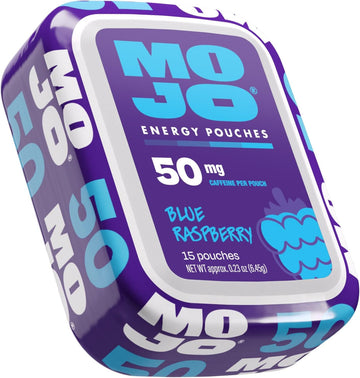
PouchesDirect carries caffeine pouches from brands that have agreed to the Pouches Direct Standard lab testing program, such as Nectr, TeaZa, WIP, Mojo, and ALP, with more to come, across flavors and strengths, all in one place. It lines up labels, doses and brands so you can compare and decide. For brands that disclose all ingredients and active ingredient dosages, we independently lab test the label claims and screen for pesticides, and the PD Verified badge appears on products that have earned it. Once you know which strength fits a shift or a session, reordering a single can at a time is the slow way to do it; a larger single order is the faster way.
Frequently Asked Questions
Do caffeine pouches give you as much energy as an energy drink?
It depends on the dose. Caffeine is the same stimulant in either format, and pouches use sugar alternatives instead of sugar. Pouch strength is typically 20mg to 100mg or more, against 113mg to 247mg for a 12-ounce brewed coffee (FDA, content current as of August 28, 2024), and the dose is stated on the label.
How do caffeine pouches compare with energy drinks on sugar and ingredients?
We do not make health comparisons between formats. Caffeine pouches use sugar alternatives instead of sugar and are certified by their brands as containing 0mg nicotine and no tobacco, and caffeine is a stimulant in any format. If you have caffeine sensitivities or health concerns, talk to a healthcare professional before adding any new caffeine product. The FDA cites 400mg a day as an amount not generally associated with negative effects for most adults (FDA, content current as of August 28, 2024).
Can you use caffeine pouches instead of your morning energy drink?
Some people do. The key difference is the delivery format: no can, no preparation. If you want convenience and sugar alternatives instead of sugar, a pouch is a straightforward swap.
How long do the effects of a caffeine pouch last compared to an energy drink?
The duration of caffeine effects depends on your individual metabolism, tolerance, and dose, not on whether the caffeine came from a pouch or a drink. What differs with pouches is the format and sugar alternatives in place of sugar.
Do caffeine pouches contain nicotine?
No. PouchesDirect only sells products certified by the brand as containing 0mg nicotine and no tobacco. The format resembles nicotine pouches visually, which causes confusion, but the active ingredient is caffeine.
These statements have not been evaluated by the FDA. This product is not intended to diagnose, treat, cure, or prevent any disease.


