


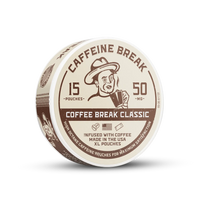


Energy drinks have a problem. Not one problem, actually, several. The sugar crash that follows the initial lift. The cost that adds up faster than most people realize once a daily habit forms. The bulk of carrying a can everywhere you go. And an ingredient list that most people stopped reading years ago. The market for energy drink alternatives has grown considerably in 2026 because the complaints about energy drinks themselves have not changed.
This article covers the best energy drink alternatives available right now, what to look for when evaluating a substitute, and why caffeine pouches have emerged as the format that solves most of the real problems with energy drinks in one compact, portable, no-preparation package.
What Is Actually Wrong With Energy Drinks?
Before looking at alternatives, it helps to be precise about what people are trying to get away from. Energy drinks are not universally bad products, but they have well-documented drawbacks consistent enough to drive a large share of their own users toward alternatives.
The sugar crash is the most commonly cited issue. Many major brands carry 25 to 50 grams of sugar per can. That produces a spike in blood glucose that the body then corrects by releasing insulin, which drops blood sugar levels below baseline. The caffeine may still be working, but energy levels fall predictably, and many people reach for a second can to compensate. Sugar-free versions solve the sugar problem while introducing artificial sweeteners that a growing number of consumers prefer to avoid.
Cost is the second issue, and an underestimated one. At three to five dollars per can, a single daily habit runs 90 to 150 dollars per month. For users who have built a higher caffeine tolerance and drink two cans a day, that number doubles. That is a significant recurring expense for a product delivering a few hours of lift.
Convenience is the third. A can requires refrigeration for best results, takes up space in a bag or cup holder, and creates waste at every use. For people who want their caffeine at a desk, in a meeting, or during a workout without breaking stride, a full beverage is often the wrong format.
What Makes a Good Energy Drink Alternative?
The criteria for a good energy drink alternative follow directly from the problems above. It should deliver caffeine reliably and efficiently without a sugar crash. It should be portable enough to use anywhere without preparation or refrigeration. It should cost less per use than a daily can purchase. And it should work in settings where pulling out a beverage would feel out of place.
That combination eliminates most of the obvious candidates. Coffee addresses some problems while creating others, including the time investment of brewing or the daily cost of a coffee shop visit. Pre-workout supplements are designed for gym use and are not suitable for a general office or social setting. Caffeine pills deliver the compound efficiently but offer no sensory experience or ritual, which matters more to daily users than a purely clinical approach accounts for.
Caffeine Pouches: The Format That Skips the Can
Caffeine pouches deliver caffeine through the oral mucosa, the tissue lining the inside of the mouth beneath the upper lip. Place a pouch under your lip and caffeine absorbs directly into the bloodstream, bypassing the digestive system entirely. The result is a faster onset than drinking a beverage and a more predictable experience because the delivery does not depend on stomach state, what you last ate, or whether the drink is cold.
The practical advantages over an energy drink are significant. A tin of caffeine pouches fits in a front pocket, weighs almost nothing, requires no refrigeration, and produces minimal waste. A single pouch can be used anywhere: at a desk, in a car, during a workout, in a meeting, or on a job site. There is no cup, no can, no straw, and no preparation time.
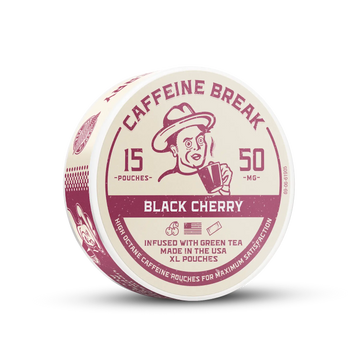
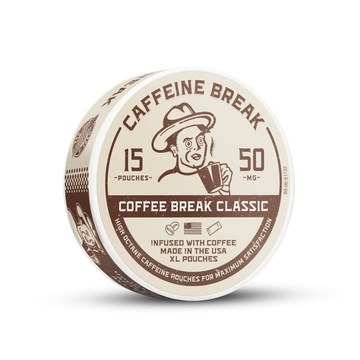
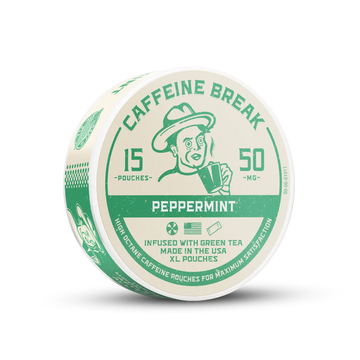
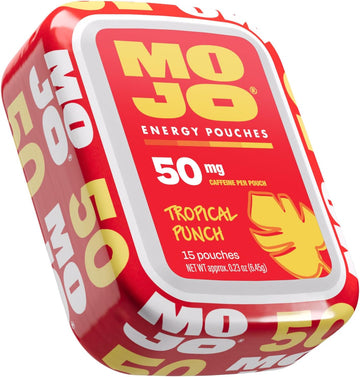
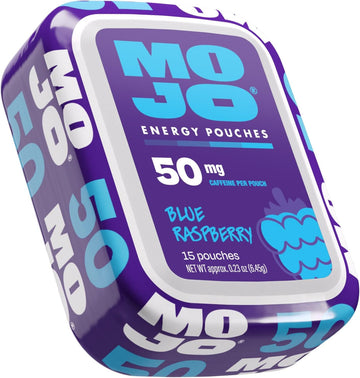
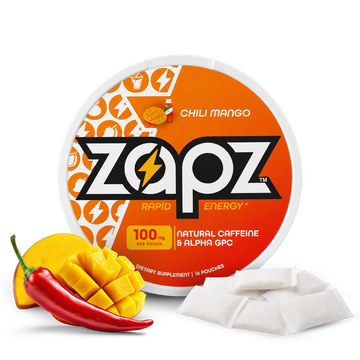
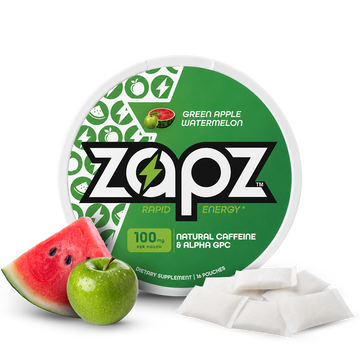
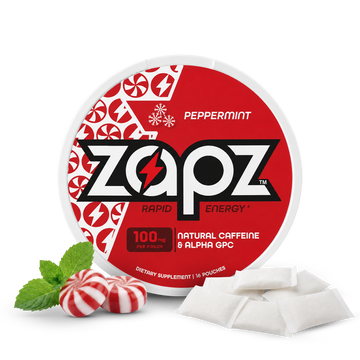
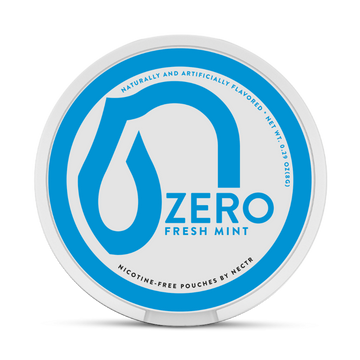
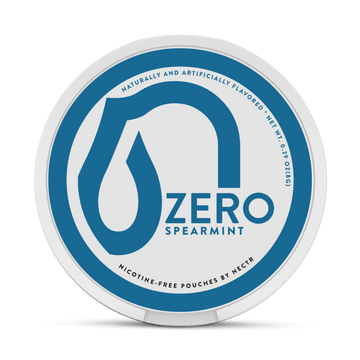
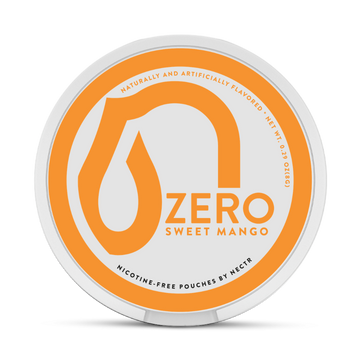
Energy pouches are available in formats built specifically for people replacing a daily energy drink habit, with formulas designed around sustained portable energy and ingredients that go beyond simple caffeine delivery.
How Caffeine Pouches Compare to Energy Drinks Directly
On caffeine content, the comparison is solid. Most energy drinks contain between 80 and 200mg of caffeine per can. Caffeine pouches typically contain between 20mg and 100mg or more per pouch depending on the brand. A high-strength pouch delivers a comparable dose to a standard energy drink, with a faster absorption pathway.
On sugar: caffeine pouches contain none. The crash associated with high-sugar energy drinks comes from the blood glucose cycle, not from caffeine. That crash is not a factor with pouches. The lift caffeine produces is followed by a gradual return to baseline, which most daily pouch users describe as a smooth fade rather than an abrupt drop.
On portability, cost, and convenience, caffeine-only pouches have a clear advantage over cans across every practical measure: smaller, lighter, no refrigeration, less waste per use, and a lower cost per dose when comparing a full tin against a daily can habit.
The one genuine advantage energy drinks retain is the experience of drinking a cold, flavored beverage. That is a real sensory preference for some people and worth acknowledging. Caffeine pouches are not designed to replace the act of drinking. They are designed to replace the caffeine delivery, the portability, and the cost structure.
Other Energy Drink Alternatives Worth Knowing in 2026
Caffeine pouches are the most practical format for daily portable use, but they are not the only alternative worth understanding.
Coffee remains the most widely used caffeine source globally and is the natural baseline for any comparison. Brewed coffee is cost-effective at home, familiar, and highly customizable in strength and flavor. The drawbacks are preparation time, the need for a vessel, and coffee shop costs, which now rival a daily energy drink in most markets.
Nootropic supplements combine caffeine with cognitive support ingredients like L-Theanine, Alpha-GPC, and B vitamins, typically in capsule or drink form. They work well for focus-oriented use cases but reintroduce the preparation problem: capsules need water, and formulated drinks bring back the bulk.
Matcha and green tea offer caffeine in natural combination with L-Theanine, producing a smoother lift than coffee at a lower caffeine dose. Preparation requirements are similar to coffee, and the caffeine content is lower than most energy drinks, which may or may not match what you want from a replacement.
For users making a direct switch from a daily energy drink habit, energy-specific pouch formulas are built around the sustained output that energy drink users rely on, without the sugar, the volume, or the refrigeration requirement.
Choosing the Right Caffeine Pouch as an Energy Drink Replacement
Once you decide to try caffeine pouches as an energy drink alternative, selecting the right product is straightforward. Start with strength. If your energy drink habit runs around 150mg of caffeine per day, a pouch in the 80 to 100mg range is a reasonable starting point. You can use two in a day if your tolerance calls for it, giving you more flexibility than a fixed-size can allows.
Flavor is the second consideration. Mint and citrus are the most widely available and the most popular with daily users making the switch from beverages. If you have a specific energy drink flavor you enjoy, the variety at PouchesDirect makes it possible to find something close in the same general profile.
Nicotine-free caffeine pouches span a range wide enough to replace a light daily energy drink habit or a heavy multi-can routine, with options across brands and strengths that cover the full spectrum of what energy drink users typically need from a caffeine source.
FAQ
Are caffeine pouches a good substitute for energy drinks?
Yes. Caffeine pouches deliver caffeine through buccal absorption, which is faster than drinking a beverage and produces no sugar-driven crash. They are portable, discreet, available in multiple strengths, and cost less per use than a daily energy drink habit for most users. The format is different from drinking a can, but the caffeine delivery is more direct.
Do caffeine pouches cause a crash?
Caffeine pouches do not contain sugar, which is the primary driver of the sharp crash associated with many mainstream energy drinks. Caffeine itself produces a gradual return to baseline as it clears your system. Most daily pouch users describe a smooth end to the effect rather than an abrupt drop in energy.
How much caffeine is in a caffeine pouch compared to an energy drink?
Most mainstream energy drinks contain between 80 and 200mg of caffeine per can. Caffeine pouches typically range from 20mg to 100mg or more per pouch, depending on the brand and product. A high-strength pouch delivers a comparable dose to a standard energy drink, generally with a faster onset due to buccal absorption bypassing the digestive system.
Where can I buy caffeine pouches online?
Pouches Direct stocks caffeine pouches from multiple brands at pouchesdirect.com. Filters by strength, flavor, and brand make it easy to narrow down the right product before committing to a first tin. Energy-specific pouch formulas, nootropic combinations, and single-ingredient caffeine options are all available in one place.
Do caffeine pouches work as a pre-workout energy source?
Yes. The buccal absorption that makes caffeine pouches effective as an energy drink replacement also makes them well-suited for pre-workout use. Placing a pouch 10 to 15 minutes before a session delivers caffeine directly into the bloodstream without the volume of a drink. Many athletes and gym users already use caffeine pouches as a pre-workout alternative specifically because there is nothing to sip, spill, or carry onto the floor.


